
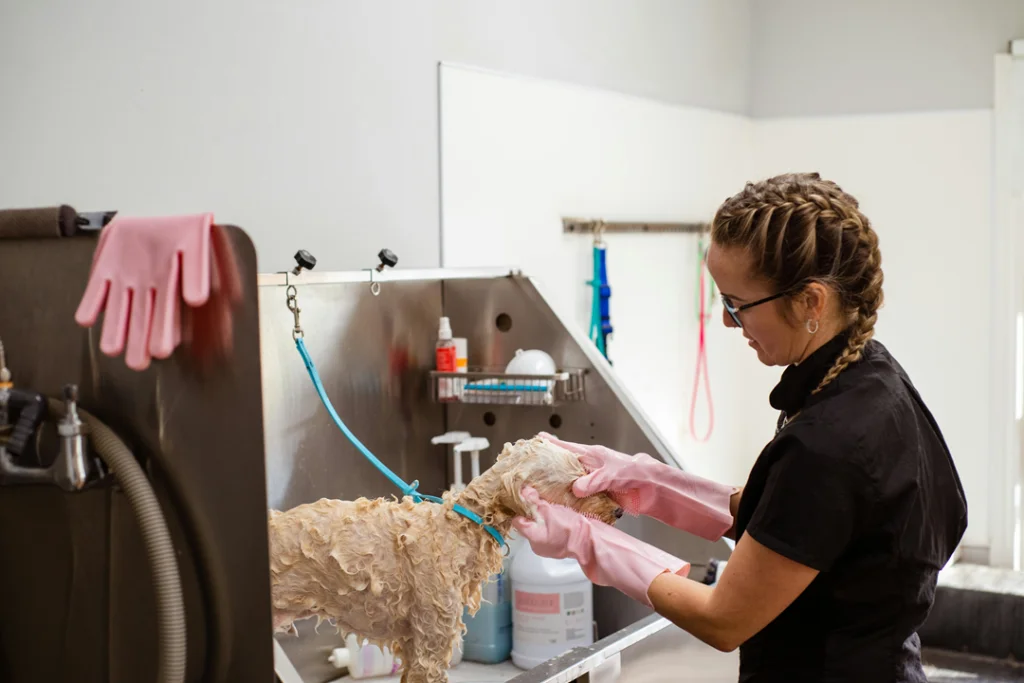
We have seen many pet owners struggling to strengthen the perfect, delightful bond with their lovely pets. They tend to get expensive foods and toys but still struggle to build and maintain their relationship. Even using different methods such as treating, giving enough attention could delay the process.
Fortunately, there is something that exists that helps pet owners to build their relationship while maintaining a healthy aspect. It’s none other than grooming.
Grooming your pet at home with proper care and patience helps you to strengthen a bond with a lovely companion. Right technique backed with consistency makes the process easier and delightful.
Whether your pet suffers from anxiety or lacks interest, we’ve got you covered! In this blog, we will share proven grooming techniques that you can easily apply in your home to groom lovely companions, stress-free.
Table of Contents
Understanding Your Pet’s Grooming Needs
Before any grooming session, one should be aware of why a dog needs grooming.
Why Grooming Is Essential for Your Pet’s Health
Grooming is more than just making your pet look good. Whether it’s for preventing skin infections or for reducing shedding and allergens, grooming is the only solution to get rid of it.
Here’s how:
Regular grooming helps prevent matting, which can trap dirt, moisture, and bacteria, leading to skin infections. Matting also pulls on a dog’s skin, causing discomfort and irritation. By keeping the coat tangle-free, you ensure proper airflow and reduce the chances of skin issues developing.
Similarly, it helps to remove loose fur from the body and detect skin conditions to prevent further issues. Abnormalities such as bumps, rashes, or parasites will be controlled with a proper and regular grooming session, which benefits both pets and pet owners.
Overall, Regular grooming sessions are crucial to promote the aesthetic looks and health of the dogs while preventing possible issues.
Different Grooming Requirements for Different Pets
While grooming, every owner must understand the requirements of their pet. For instance, if you’re a owner of a Pug ( a short-haired breed) the method of grooming is hugely different from the breed Hugsy. The matter of fact is how and why grooming approaches are made.
Let’s understand the requirement in detail:
- Short-haired vs. Long-haired dogs: Long-haired dogs require more frequent grooming to prevent their fur from tangling and matting. Regular brushing helps detangle their coat and keeps it free from dirt and debris. In contrast, short-haired dogs shed less and need less frequent brushing but still benefit from occasional grooming to remove loose fur and maintain skin health.
- Cats vs. Dogs: Cats generally groom themselves, which reduces the need for frequent baths. However, they still benefit from brushing, especially long-haired cats, to prevent matting and hairballs. Unlike dogs, cats are usually less tolerant of nail trimming and baths, so these tasks may require extra care and patience.
- Small pets (rabbits, guinea pigs, etc.): Small animals like rabbits and guinea pigs need regular grooming to keep their fur clean and free from mats, especially if they have long hair. These pets also require a gentle approach to grooming due to their size and sensitivity.
Essential Grooming Tools You Need
Having the right grooming tools is essential to start any of the sessions. Along with it, the familiarity with tools also matters on a successful grooming outcome; only then can you expect a better relationship with dogs. Otherwise, you’ll be responsible for their anxiety and not showing interesting behavior.
Here’s some essential grooming tools for exceptional sessions:
Brushing and Coat Maintenance
- Bristle brush – For smooth-coated dogs and cats.
- Slicker brush – Ideal for removing loose fur and tangles.
- Deshedding tool – Helps reduce shedding in double-coated breeds.
Bathing Essentials
- Pet-safe shampoo and conditioner – Avoid human shampoos as they can be too harsh.
- Lukewarm water – Prevents discomfort and skin dryness.
- Absorbent towel and pet dryer – Helps dry your pet quickly, especially in colder seasons.
Nail Care
- Guillotine-style nail clippers – For small pets and cats.
- Scissor-style nail clippers – Best for large dogs.
- Nail grinder – Smooths edges and prevents splitting.
Ear and Eye Cleaning Supplies
- Ear cleaning solution – Helps remove wax buildup.
- Cotton pads – For gentle cleaning.
- Tear stain remover wipes – Ideal for light-colored pets prone to tear stains.
By the way, all these tools are available on HugsyPetsNepal. You can check it out if you need any of these.
Guide to Grooming Your Pet at Home
Introduce grooming tools gradually
One serious mistake many pet owners unintentionally make is approaching grooming without introducing it.
Here’s how:
Imagine someone approaching with unfamiliar tools. How do you feel?
Panic? Anxious? Nervous?
Exactly the same, pets will be going through which leads to grooming anxiety and loss of grooming interest. That is what we don’t want to feel. So, familiarizing with every grooming tool that you’re going to use is essential.
Familiarizing Process
You can start by introducing your pet to grooming tools in a gentle, non-threatening way. Simply show them the tools without using them at first, allowing your pet to sniff and explore, so they understand the items won’t hurt them. Once they seem comfortable, you can hold the tools near them while offering treats and praise, helping them associate the grooming kit with a positive experience.
Watch closely for any signs of discomfort or fear. If they remain calm, you can begin gently brushing their fur for short periods. This slow, reassuring approach reduces anxiety and helps your pet become more accepting of grooming as part of their regular routine.
Keep session short but consistent
We often hear the advice to keep training sessions with pets short and consistent and the same applies to grooming.
Since, grooming isn’t a one-time task, pet owners should have consistent sessions for associate grooming as a regular habit. Trying to complete everything in one long session can overwhelm your pet, causing them to become anxious or frustrated. This can make future grooming sessions more difficult. Instead, keep sessions brief and stop before your pet starts to feel stressed.
For instance, if you’re trimming nails, don’t attempt to trim all of them at once. Start with one or two nails, then stop. Repeat this every few days until they become comfortable with the process. By keeping sessions short and stress-free, you’ll build a consistent grooming routine that your pet can adapt to and accept over time.
Choose a Comfortable Grooming Space
Are you aware of your pet’s favourite spot? If yes, congratulations, you can consider it for a grooming session. Often dogs feel safe and comfortable in those areas, which is essential to reduce their grooming anxiety easily.
Location plays a big role in successful grooming. When your pet feels relaxed in a familiar place, they’re less likely to feel stressed. However, play areas may not always be safe for grooming, especially for tasks like bathing or trimming, where the risk of slipping is higher. To make grooming safer, consider using a non-slip mat designed specifically for pets if there’s no other suitable area available.
Creating a comfortable, safe grooming space helps prevent accidents and keeps your pet calm, making the process smoother for both you and them.
Try playing soothing music
If your pet becomes anxious or scared during grooming, soothing music can help create a calming environment.
Pets may react to the sound of running water or clippers, causing them to feel nervous or frightened. In these moments, playing soft, calming music in the background can help mask those noises and create a more relaxing atmosphere. The gentle music may ease their nerves, making it easier for them to stay calm and feel more comfortable throughout the grooming session.
Note: This music is available on YouTube for free.
Recognize your pet’s limit
Not every breed or individual pet has the same ability to handle stress during grooming. That’s why it’s essential to recognize your pet’s limits to ensure a positive grooming experience.
Some pets may comfortably tolerate an hour of grooming, while others may feel overwhelmed after just a few minutes. Signs like heavy panting, shaking or attempts to escape indicate that your pet is stressed. As soon as you notice these symptoms, it’s best to stop the session. You can take a break or postpone grooming until the next day.
Forcing them to continue when they’re already stressed can reinforce a negative association with grooming. By recognizing and respecting their limits, you can reduce anxiety and help your pet feel more at ease during future grooming sessions.
Making Grooming Part of Playtime
To make grooming more enjoyable, you can combine it with playtime, turning it into a fun part of your pet’s day.
For example, after a short nail trimming session, reward them with their favorite toy or a game of fetch. By using treats and rewards to reinforce good behavior during grooming, your pet will become more willing to cooperate.
You can start by giving high-value treats every time they allow you to touch them with a nail trimmer, with proper timing and eye contact. This positive reinforcement approach helps your pet associate grooming with fun and rewards, making future sessions easier and something they look forward to, knowing it leads to treats and playtime.
Communicate Calmness through your actions
Imagine you’re on a bus, and the driver seems nervous and impatient because of the traffic. How would you feel? Likely, you’d pick up on their tension and feel uneasy too.
The same thing happens during grooming. If you approach grooming with nervousness or impatience, your pet will sense it and become anxious as well. Pets are highly in tune with their owners’ emotions. That’s why it’s important to stay confident and relaxed when grooming. Speak to your pet in a soothing tone and use gentle, calm movements to create a sense of security.
Your attitude can make a huge difference in how your pet reacts. By staying calm and positive, you provide a better grooming experience and strengthen the bond between you and your furry friend.
Handling Seasonal Changes
Just like humans, pets require grooming adjustments based on the changing seasons to keep them healthy and comfortable. Each season brings different challenges whether it’s excess shedding in summer, dry skin in winter, or moisture-related issues during the monsoon.
Keep prepared with a season to adopt a new grooming routine to ensure your pet stays in optimal condition year-round.
Grooming Adjustments for Different Seasons:
Summer: During the hot months, frequent brushing and gentle baths help remove extra fur and avoid overheating. Regular grooming also decreases shedding and helps your pet stay cool and comfortable. Check for ticks and fleas, which are more common during the summer.
Winter: During the colder months, your pet’s skin may become more dry. Use a hydrating pet shampoo to avoid dryness and inflammation. While brushing is still vital, avoid over-bathing because it can erode the coast of natural oils that protect against the cold.
Monsoon: To avoid fungal infections during the rainy season, keep your pet’s fur dry, particularly after outdoor walks. Thoroughly dry their paws and underside, and long-haired breeds may benefit from a waterproof coat. Regular brushing helps to prevent matting, which can trap moisture and cause skin problems.
Common Grooming Mistakes to Avoid
Grooming your pet at home can be a fun and bonding experience, but it’s easy to make mistakes that could harm your pet’s health and comfort. To keep your furry friend happy and healthy, it’s important to be aware of common grooming mistakes and how to avoid them.
Using human shampoo – It disrupts the pet’s natural skin pH.
Bathing too frequently – Can strip natural oils and cause dry skin.
Cutting nails too short – May cause bleeding and pain.
Skipping ear cleaning – Leads to wax buildup and infections.
FAQ
- How often should I bathe my pet?
Dogs typically need a bath every 4-6 weeks or as needed based on their coat and activity level. Cats rarely require baths unless they get particularly dirty or have specific health needs. - What should I do if my pet hates grooming?
Start with short, gentle grooming sessions to get them accustomed to the process. Use treats and positive reinforcement to create a more enjoyable experience for your pet. - Can I groom my pet without professional help?
Yes, with the proper tools and knowledge, you can groom your pet at home. Ensure you use pet-friendly grooming supplies and familiarize yourself with basic grooming techniques.
Conclusion
Grooming your pet at home is a rewarding chance to strengthen your bond and show them some extra love. With the right techniques and tools, you can turn grooming sessions into a fun, stress-free experience for both of you. Plus, a well-groomed pet is a happy pet, and regular grooming helps spot any potential health issues early on, ensuring your furry friend stays in top shape.
As a responsible pet owner, it’s time to make grooming a priority. So why wait? Start your pet’s grooming journey today and enjoy the benefits of a cleaner, healthier home! If you need any of these grooming tools, kindly visit Hugsy Pets Nepal to get everything you need for a perfect at-home grooming experience.


