
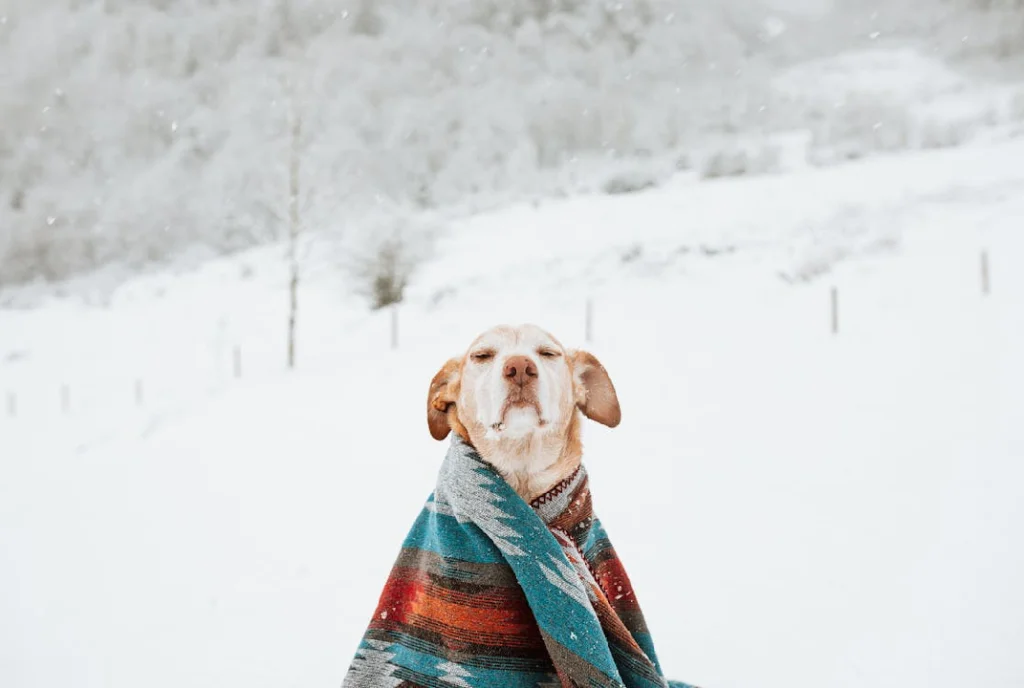
Winter can be a magical season, but it also brings challenges for pets and their owners.
Just like humans, pets need extra care and attention to stay comfortable and healthy in colder weather.
Even having thick fur, it’s not always enough to protect them from the harsh winter season. Their sensitive skin, paws, and fur can be affected by the drop in temperature, and pet owners must apply certain precautions to prevent discomfort or health issues.
Whether you have a dog or a cat, winter care is essential for their well-being. Below, we’ll explore important grooming practices, indoor activities, and health tips to make sure your pet stays happy, cozy, and healthy throughout the colder months.
Why Do Pets Need Extra Care in Winter?
Even with long or thick fur, pets can struggle with cold temperatures, leading to a range of issues, including dry skin, matting, cracked paws, and even illnesses like common colds.
As is common, dog bathing frequency is also decreased in winter, which can cause tangles and prone to mats in their fur. As a result, harbor ticks and other pests get a suitable place for double the number.
Dry skin, dehydration, and reduced activity levels are other common winter concerns.
But with a bit of extra attention, winter can be an enjoyable time for your pet. Here are some essential tips for winter pet care that every pet owner must know.
1. Regular Brushing
Not just for winter grooming, regular brushing is essential for every season. As mentioned in the previous paragraph that the number of bathing frequencies decreases, the chances of fur tangling is maximum. Regular brushing (at least twice a week) helps to prevent tangle and matting, remove dead hair, and distributes natural oils across their fur, keeping it shiny and smooth.

Tips for Brushing in Winter:
- Use the Right Tools: Considering the pet’s fur type, the owner must invest in a high-quality brush that can easily remove and deshedding the tangled fur. A slicker brush works well for most dogs and cats, while a bristle brush or deshedding tool may be better for long-haired breeds.
- Be Gentle but Thorough: Since a pet’s skin can be sensitive in the cold season, the grooming must be done gently. Even if there are knots, make sure to brush slowly and avoid pulling harshly.
- Prevent Mats: Areas like ears, under legs, and around the neck, are the main areas that tend to mat easily. Regular brushing can help prevent mats that can cause discomfort and skin irritation.
2. Caring for Paws: Protecting Against Cracks and Dryness

Cold weather can be tough on a pet’s paws. Dry and cracked paw pads are common in winter, especially if your pet walks on icy or salted sidewalks.
To prevent these discomforts, it’s important to check their paws regularly and protect them from the cold.
Tips for Paw Care:
- Trim Hair Around Paws: Long hair around the paws can trap moisture. That’s why it’s better to trim excess hair to keep their paws clean and dry.
- Use Paw Balm or Wax: Paw balms or waxes form a protective barrier on your pet’s paws, reducing the risk of cracks and discomfort.
- Try Dog Booties: If your pet is comfortable wearing booties, it’s a great way to keep their paws safe from cold surfaces.
- Check for Injuries: After each walk, examine your pet’s paws for any cuts, scrapes, or signs of dryness. Rinse their paws with warm water to remove salt or debris.
3. Adjusting Their Shelter: Making a Cozy Winter Spot
During winter, pets may want to spend more time indoors or in warmer areas. Adjusting their shelter to provide extra warmth and comfort is essential.
Tips for a Cozy Shelter:
- Use Extra Blankets: Add soft, thick blankets to their bed or crate to help them stay warm. Fleece or wool blankets are especially good for retaining warmth.
- Consider a Heated Pet Bed: Heated pet beds can be beneficial for older pets or those with arthritis. Make sure it’s safe and doesn’t overheat.
- Block Drafts: Keep their sleeping area away from cold drafts or uninsulated walls. You can place a bed in a draft-free corner or near a warm area to keep them cozy.
- Keep Bedding Clean: Regularly wash bedding to prevent any buildup of dirt or allergens. Clean bedding is crucial for keeping your pet healthy.
4. Indoor Playtime: Keeping Pets Active and Engaged
Winter often limits outdoor play, but it’s important to keep pets active. We know how active our pet is and want to play with us. It’s easier to play in the summer season, but during winter, it’s quite difficult to play with them.
Indoor play is a great way to ensure they’re getting the exercise and mental stimulation they need to stay happy.
Fun Indoor Activities:
- Tug-of-War and Fetch: These classic games work well indoors and can give your dog a good workout.
- DIY Toys: Use simple household items to make toys. Tug ropes, flirt sticks, and rope balls are easy to create and can keep dogs entertained.
- Interactive Toys and Puzzles: Toys that hide treats or require problem-solving can keep pets mentally engaged. Puzzle feeders and interactive toys are perfect for indoor play.
- Training Sessions: Use winter as an opportunity to reinforce commands or teach new tricks. Training is mentally stimulating and strengthens your bond with your pet.
5. Bathing and Skin Care: Less Frequent, But Still Essential
In winter, pets don’t need to be bathed as often, but it’s still important to keep their coats clean and moisturized.
Avoiding overbathing is essential to prevent unnecessary loss of strip oils from their fur, which could lead to dry skin and irritation. So it’s best to bathe them only when necessary.
Tips for Winter Bathing:
- Limit Baths: Bathe your pet less frequently, around once a month or as needed, depending on their coat and skin type. But importantly, use the right bathing technique if you’re washing at your home.
- Use Moisturizing Shampoo: Opt for a moisturizing, gentle shampoo that won’t dry out their skin.
- Introduce Moisturizer: After a bath, apply a pet-safe moisturizer or conditioner to help replenish any lost oils. This keeps their skin from getting too dry and flaky.
- Dry Thoroughly: Make sure to dry your pet thoroughly, especially if they have a thick coat. Cold, damp fur can lead to chills and discomfort.
6. Hydration and Diet: Keeping Pets Healthy from the Inside Out

Just because it’s cold doesn’t mean pets don’t need plenty of water.
Dehydration is common in winter because pets may not feel as thirsty, so it’s essential to encourage them to drink enough water.
Additionally, adjusting their diet to ensure they’re getting the right nutrients can help them stay warm and healthy.
Tips for Hydration and Diet:
- Provide Fresh Water: Make sure your pet has access to fresh, clean water at all times. If you notice them drinking less, try adding a bit of warm water to their food.
- Winter Diet Adjustments: Pets may require slightly more calories in winter to generate body heat. Consult your vet for advice on the best diet for your pet’s age, breed, and activity level.
- Add Healthy Fats: Including omega-3 fatty acids in their diet can promote a healthy coat and prevent dry skin. Ask your vet for pet-safe fish oil or other supplements.
Conclusion
Winter pet care may require a few extra steps, but the payoff is worth it. By providing a warm shelter, proper grooming, and indoor activities, you’re helping your pet feel comfortable and loved during the colder months.
Not only does winter grooming keep their coat and skin healthy, but it’s also a great way to bond with your furry friend.
Remember to be patient and gentle with grooming routines, and always use positive reinforcement to make the experience pleasant for your pet. With the right approach, winter care can become a time of bonding and comfort, ensuring that your pet stays happy, healthy, and by your side no matter the season.


