
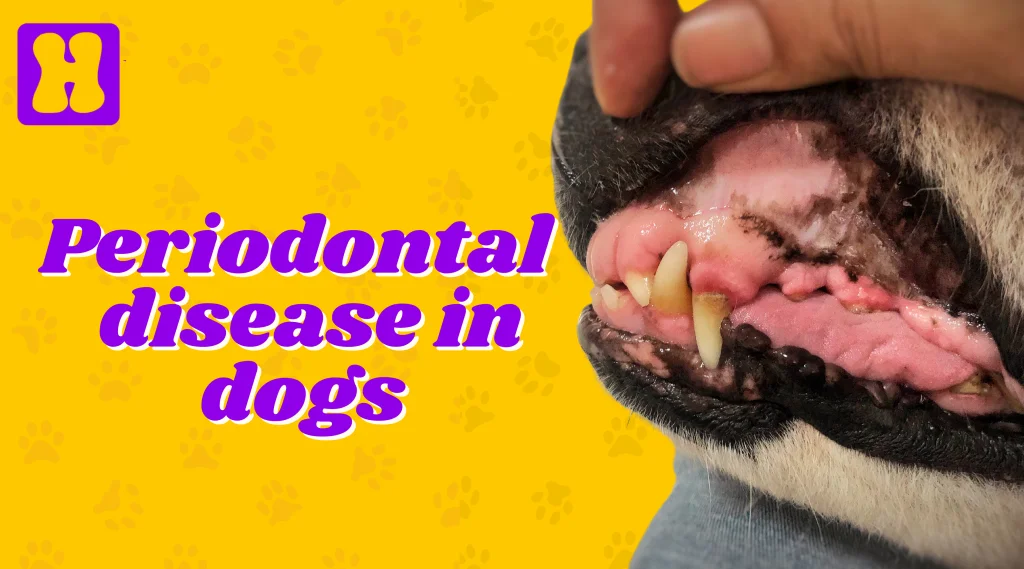
You’re a culprit if you overlook the dental care of your lovely pet and let bacteria continue affecting the teeth.
Dental care is considered a top-must look in every regular grooming session to prevent periodontal diseases in dogs. Usually, uncared teeth from an early age are mostly affected by this disease, and an innocent dog has to face this issue seriously in the future.
Reports from the American Veterinary Medical Association have shown around 80-90% of dogs have to go through some component of periodontal diseases from the age of 3. With time, the incidence also increases, especially in smaller breeds.
Unfortunately, our dogs are grown in the generations without access to toothpaste, but still, we’ve to take care of their oral health. Understanding periodontal disease in dogs happens, and its spotting tips can help keep a dog’s gums clean and healthy.
Table of Contents
What is Periodontal Disease?
Periodontal disease, also known as gum disease, is a bacterial infection in a dog’s teeth. There are no breeds that are safe from this oral issue unless their owner has good practice in grooming and dental care. Usually, this issue remains silent until it reaches its advanced stages, causing gum erosion, chronic pain, tooth loss, and bone decay. Even the supporting teeth could be threatened by affected teeth.
Fortunately, it’s a treatable issue if being able to identify in an early stage, but could seriously affect if unchecked in time.
Major symptoms of periodontal disease
- Discolored teeth
- Bad breath
- Inflamed or bleeding gums
- Loose or missing teeth
- Excessive drooling
- Blood on chew toys or in the water bowl
- Reduced appetite
- Focusing on one side chewing
Periodontal Disease Stage
With being more destructive and noticeable than previous stages, there are four mentioned stages of this awful issue:
Stage 1
First stage of periodontal disease starts with Gingivitis.
With diet, bacteria gradually start to build up in their gums. It transforms into plaque in just a few days. This infected gums resulting in gingivitis.
Stage 2
Ignorance of gingivitis could cause receding gums, which your dog might be uncomfortable with it as the gum tries to separate from the teeth. It’s quite challenging to see with the naked eye, although it requires an expert to spot this sign.
Slightly jawbone loss can be seen in this stage.
Stage 3
If you notice that some loose teeth in your pet, believe it must be a third stage. You’ll see bone loss becomes more severe and gum recession becomes more pronounced. Irritated and inflamed teeth could affect the behavior of the dog negatively.
Stage 4
In the final stage of periodontal disease, the ⅓ of the connection between teeth and gums is lost. Teeth start to fall out completely and if you seek a veterinarian’s assistance, they could have to extract those infected teeth and prevent further expansion.
Periodontal Disease Causes
The major cause of oral disease starts with a Plague. Plaque is formed when bacteria builds up in a dog’s mouth and gets combined with other minerals. Usually, plaque cannot be seen with the naked eye.
With time, it becomes tartar, when plaque is covered with calcium salts in saliva. Besides tartar, plaque gets enough support for expansion. As a result, innocent dogs suffer from irritation and inflamed teeth.
Diet also played a great role in the issue. Dogs who prefer wet food are usually more suspicious of this issue, as it could directly stick to the teeth. It doesn’t matter if they’ve got good dental care, but those who rarely get could be the next sufferer.
Periodontal Disease Prevention
There is no more important step than brushing a dog’s teeth at home for prevention of tartar buildup.
Brushing prevents plaque from the teeth, which is crucial to remove from tartar formation. For this, you just need a soft bristle toothbrush and separate 5 min of your daily time. Toothpaste is not necessary to remove this unless there is a bad breath.
Also, adding dental treats and chew toys works better. Just like dry food, chewing toys help to scrape plaque and tartar through chewing action. There are various chew toys made with focusing on extra-cleaning benefits, you can check this link for amazing offers on dental chews and chewing toys.
If your dog have any sign of periodontal disease, it’s better to consult with a veterinarian for a quick recovery.
You might have heard this saying “Prevention is better than a cure”, and the same thing applies with dogs. Negligence on dental care could seriously damage the overall health of dogs. Early spot and early action right away is critical if there is any sign of issue. Professional care can prevent it if it is getting worse and has already reached stages 3 or 4.


