
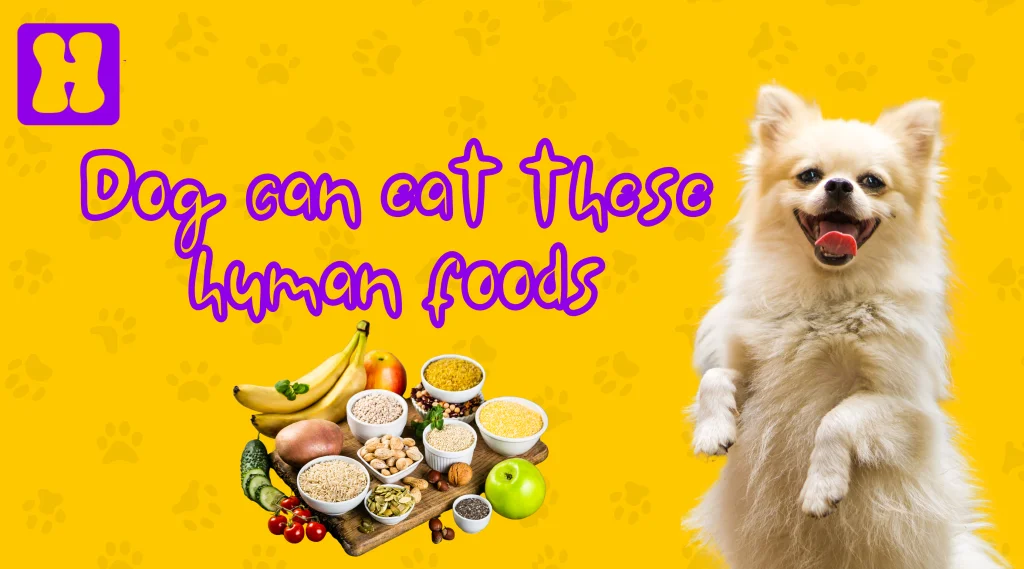
In the last blog, we discussed human foods that shouldn’t be fed to dogs at any cost…and we felt some pet owners get curious about what foods they could share with their lovely furry friends. If you haven’t, here’s the link…
There’s nothing wrong with sharing our favorite food with them. While we’re strengthening our bond just by sharing it, why not?…Right?
Only thing that matters is there should not be any negative reaction to those foods to our lovely dog. So, today we’ll share the list of human foods that can be given to dogs and are friendly for health benefits.
Table of Contents
Why is it important to know human foods that can be given to dogs
There is a way difference between a pet’s nutritional needs to our needs. Those foods that provide healthy benefits to humans may not equally benefit dogs’ health. Sometimes, it could cause a serious medical condition or even death.
For instance, take the example of avocado. We know how beneficial avocado is for human health, promoting a healthy heart, skin, and hair and maintaining weight. Doctors recommend eating daily to lower blood pressure levels. But this healthy food can be extremely dangerous to a dog. The substance “persin” affects the dogs and causes vomiting and diarrhea. Even with a small consumption, it might trigger fluid accumulation in the chest and lungs, which leads to stressful breathing and even death due to oxygen deprivation.
That’s why it’s crucial to feed them safe, pet-friendly human foods that can complement their diet, provide variety, and even improve their health. Knowing these safe foods is critical to avoiding potential health risks.
Here we go:
Apple
There is a slang “One apple per day keeps doctors away” which mainly focuses on human health. But somehow, you can relate with your pet friend too.
Because apples are a good source of vitamins A and C, and fiber, that benefits a healthy digestive system. Moreover, Vitamin A promotes good eye vision, immune system, and skin health where, Vitamin C is mainly for reducing inflammation and cognitive aging.
However, there might be a serious problem if the consumption of vitamins is high.
Carrots
Carrots are low-calorie treats that are fantastic for your pets, especially for promoting good dental health and vision.
This crunchy food is rich in Beta-carotene, which is responsible for converting Vitamin A and supports vision, immune function, and skin health. Not only this, but the crunchiness of these foods aids in cleaning teeth and promotes oral health.
While feeding them, make sure to cut them into bite-sized pieces to avoid choking hazards, especially for smaller pets.
Banana
Not just monkeys, there are some dogs who are crazy to eat a banana.
Bananas are rich in fiber and many vitamins and minerals, which are good for bone health, especially for older dogs with sensitive teeth. However, due to their high sugar levels, bananas must be offered sparingly.
Peanut butter
If there is unsalted peanut butter with no extra added sugar and sweetener, it is favorable for feeding to your furry friend. It is a healthy food, enriched with different beneficial elements, including vitamins E, and B, healthy protein, and fats.
You can use peanut butter to fill a toy or as a reward for training. But, make sure that it does not contain xylitol, which is toxic to pets.
Chicken
Many times, vets recommend feeding a cooked/boiled chicken if your furry friend is suffering from stomach issues because it has high-protein, low-fat food which is helpful for stomach sensitivities.
Moreover, it’s important to regulate when the dogs are eating a right-sized piece to make sure they do not pose a choking hazard and even puncture their digestive tract. That’s why it’s a recommendation to remove bones before feeding them.
Additionally, make sure to feed well-cooked chicken, otherwise the risk of Salmonella infection increases.
Blueberries
There might be no humans who hate blueberries, and dogs too. These tasty treats are rich in fiber and antioxidants, which reduces potential diseases, disorders, and age-related issues.
You can use these tiny fruits as training rewards.
Dairy Products
If you feed daily products such as milk, cheese, and plain yogurt, in small quantities, it might be safe for dogs.
With that note, if the consumption is high, there is a risk of digestion problems, because, unlike humans, dogs have low levels of lactase, a digestive enzyme that potentially breaks down the sugars in milk.
If your pet has lactose intolerance, never ever feed dairy products as it can cause diarrhea and vomiting, right after consumption of any dairy products.
Pumpkin
One of the often-recommended foods is pumpkin.
And why not when it can be considered a powerhouse of nutrients and fiber? Vitamins such as A, C, and E, with iron and potassium, make it a great treat for your dog’s digestive system and help with both diarrhea and constipation. Serve it plain and cooked for the best results.
Eggs
Consumption of eggs is very beneficial for dogs because it is packed with high-quality protein, amino acids, essential fatty acids, nutrients, and vitamins. All these elements provide numerous health benefits to the dogs, including improved skin and coat.
If your furry friend is not feeling well or recovering from stomach upset, make sure to feed eggs as it is highly digestible.
Sweet potatoes
This versatile treat is rich in dietary fiber and supports digestive health, helping with issues like constipation and diarrhea.
Sweet potatoes are mostly packed with Vitamin-A, which promotes healthy vision, a strong immune system, and disease-free skin. It is essential minerals like potassium and manganese that aid in muscle function and metabolism.
Avoid adding sugar, butter, or spices, which can risk your pet.
Rice
Another beneficial option for pets is rice, particularly for those with sensitive stomachs or digestive issues. Cooked rice is gentle, easy to digest, and often recommended by veterinarians as part of a bland diet to soothe upset stomachs or recover from diarrhea.
Rice is rich in carbohydrates, providing quick energy and making it a good addition to a pet’s diet if they need a calorie boost.
Cucumber
A refreshing, hydrating snack for pets, especially during hot weather, is cucumber. There is a composition of over 95% water, which helps to keep our pet hydrated and cool while being incredibly low in calories.
Cucumbers are rich in vitamins and minerals such as Vitamin K, potassium, and magnesium, which support bone health and metabolic function.
To serve them, you should wash thoroughly, and slice them into small, bite-sized pieces. Avoid feeding pickled cucumbers, as they contain excessive salt and other additives that can be harmful to pets.
Watermelon
Watermelon is a pet-friendly fruit that’s both hydrating and delicious. Like cucumber, it also contains nearly 95% water which is ideal for hot summer days, helping to prevent dehydration.
Watermelon is low in calories and packed with nutrients, including vitamins A, C, and potassium, which boost immunity, improve skin health, and support muscle function.
Make sure to remove seeds and rind before serving it, as there is a high chance of choking hazards or leads to intestinal blockages, that may cause stomach upset.


