
A life of unsocialized dogs can be extremely daunting to cope with new things. Whether to meet new people and animals or to visit a new environment and explore new experiences, dogs may struggle to comfort themselves.
While socialized dogs can live differently, showing a healthier ability to react to the world, which enables a lot of opportunities to explore new things, places, or people without any problems. Even if they face unfamiliar situations, they tend to tackle them calmly and make the environment comfortable.
If you have a dog with anxiety & struggles with new experiences, it’s time to socialize with them. No matter whether you’ve got a new puppy or an adult one, you can consider socializing them with a little patience and care. Imagine a life with a healthy, socialized dog where you can get relief from a less barking, family-friendly, and ethical behaviorist dog.
But, one question remains: how do you socialize with your lovely companion? But before that, we need to understand the importance of early socialization on dogs. Here we go:
Table of Contents
Importance of Early Socialization for Dogs
Early socialization is one of the crucial aspects of raising a well-adjusted and happy dog.
Dog socialization is a process of exposing puppies to different environments, people, animals, sounds, and experiences during their formative weeks. This exposure helps them develop confidence, adaptability, and good behavior, reducing the chances of fear-based aggression and anxiety.
Since we’re mostly settled in crowded streets, loud traffic, and diverse human interactions, early socialization is essential to ensure they grow into calm and friendly companions. This will prevent some serious problems such as:
Fear and Anxiety
With proper socialization, dogs learn to cope with fear and anxiety situations. From the early days, they develop the ability to manage their feelings while maintaining ethical behavior. It will be a difficult situation to handle them in case if they build a fear-based behavior. This happens when they are deprived of exposure. Some common anxious behaviors are: aggressive behavior toward people of different ages (especially child one), unfamiliar sounds like honking or fireworks, and dangerous interactions with other dogs and pets.
Preventing Aggressive Behavior
Fear and lack of exposure to new environments, people, or animals often result in aggressive behavior. With proper early socialization, any puppies will learn social cues from other animals, remain calm in the presence of strangers, and feel secure in unfamiliar settings. This positive approach not will prevent aggressive tendencies but also ensure your dog grows into a well-behaved, confident companion.
Building Confidence and Adaptability
Early socialization boosts confidence and adaptability and makes them prepare for tackling new situations. Whether it’s a vet visit or meeting new animals, they tend to show calm behavior. The more they socialize at an early age, the more comfortable and calm they become in any situation.
Without this early socialization, you can expect your shy, fearful, and reactive dog, with long-term behavioral struggles. That’s why don’t let your dog miss out on the chance to grow into a well-adjusted, happy companion.
The Best Time to Socialize Your Dog
Basically there will never be late to socialize dogs. The only thing that matters is how long it will take and how challenging it is to teach them.
So, the period between 3 to 16 weeks of age is considered the most crucial window for socialization. Particularly puppies of this age are naturally curious and more open to new experiences, which helps to provide proper exposure to set the foundation for a lifetime of good behavior.
This prime period ends around four months, but this should continue into further age too. To maintain their social skills and adaptability to new upcoming experiences, they need to explore new environments and interactions.
Effective Dog Socialization Techniques
Socialization without proper technique is a waste of energy. That’s why we’re here with a proper, effective guide to help in different situations. Let’s explore one by one:
Exposure to Different People
Most uncovered socialization step is familiarization with different people. Of course, dogs have to interact with different people in their homes or the outside world, which makes it important to socialize with people. Whether it’s with children or elderly individuals, making comfortable visiting is crucial.
For this, encourage your puppy to meet people of all ages, from children to seniors, as each group behaves differently. This visit will teach them a valuable lesson about their interaction. Add visits with people wearing hats, sunglasses, or carrying bags for a diverse appearance.
Similarly, consider taking public places and encouraging positive interactions with visitors at home so they learn to feel secure in different social settings.
Introducing Other Dogs and Animals
In the period of puppy training sessions, it’s necessary to teach proper social skills to other animals. Whether it’s other dogs or animals, these skills will enhance your dog’s ability while boosting your parenting too.
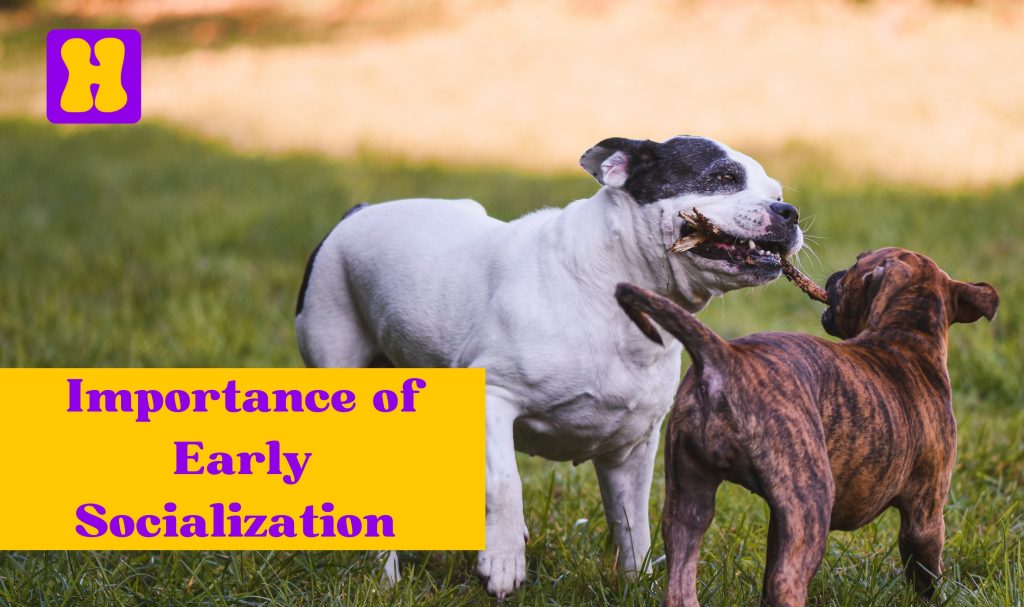
You can start it by arranging playdates with well-socialized dogs in a controlled and safe environment. Allow your puppies to meet dogs of various breeds, sizes, and temperaments to broaden their comfort zones.
While socializing, it’s important to introduce them gradually and under supervision so that interaction builds positively. Failure to do so could turn into a fight, which leads to serious problems. That’s why make sure these early interactions are without conflicts and teach your puppy to respect other animals.
Environmental Exposure
Exposure to different environments helps your puppy to adapt in a calm manner. It ensures a confident growth and unafraid behavior of new surroundings.
Different environmental situations, such as noise, activity smells, or unfamiliar spaces, can be daunting for unsocialized puppies, leading to an anxiety and fearful life. Preventing this is wise for a better parenting experience.
This can be easy if you take your puppies on short trips to busy streets filled with noise and activity, as well as quiet alleys and serene parks, to provide a range of experiences. If possible, visit pet-friendly cafes, outdoor markets, and other public places to allow new observation and exploration of new sounds, slights, and smells.
Additionally, introduce them to various flooring surfaces, like carpets, tiles, or wooden stairs, as this helps them feel secure navigating unfamiliar spaces. These experiences make your puppy more adaptable and ready for different situations.
Training for Calm Reactions
When exploring new experiences, it’s mandatory to keep them calm. It’s a key to their long-term emotional health.
For instance, interaction with new loud noises like sirens, vacuum cleaners or thunderstorms can be anxious. Try to calm their behavior and praise them for a positive association. This reinforcement will encourage them to associate these experiences with safety.
Challenges in Socializing Puppies in Kathmandu
Socializing puppies in an urban environment like Kathmandu comes with unique challenges, but these can be addressed with thoughtful planning and persistence.
Limited Access to Open Spaces
Finding safe and open areas for your puppy can be daunting, preventing limited access to exploration and interaction. The hustle of city life adds challenges for a better socialization process in urban areas like Kathmandu. However, there are ways to overcome this:
Early Morning Walks: Streets are quieter and less crowded in the early morning, offering a safer space for your puppy to explore.
Pet-Friendly Locations: Seek out pet-friendly cafés, restaurants, or designated dog parks where your puppy can meet new people and dogs in a controlled setting.
Indoor Training: When outdoor space isn’t available, create a safe indoor environment for
socialization and training. Use toys, and puzzles, or invite trusted friends to help your puppy learn new skills at home.
Stray Dog Interactions
Kathmandu has a notable population of stray dogs, which can make it challenging to socialize your puppy without risking aggression or illness. To ensure safe interactions:
Survey New Areas: Observe your surroundings for stray dogs before letting your puppy explore or interact.
Choose Playmates Wisely: Only allow your puppy to interact with vaccinated, well-behaved dogs whose health and temperament you can trust.
Leash Safety: Always keep your puppy on a leash in unfamiliar areas to maintain control and avoid unexpected confrontations.
Noise and Traffic Concerns
Kathmandu’s bustling streets, crowded marketplaces, and constant traffic noise can overwhelm young puppies who are not used to such stimuli. Gradual exposure is key to helping them adjust:
Start Small: Begin with walks on quieter streets before progressing to busy areas with more noise and activity.
Positive Reinforcement: Reward calm behavior with treats, praise, or affection whenever your puppy encounters loud noises like honking, motorbikes, or construction. This helps them associate these sounds with positive experiences.
Desensitization Training: Slowly introduce your puppy to different noises in a controlled environment to build their tolerance and confidence over time.
By addressing these challenges with patience and planning, you can help your puppy grow into a well-adjusted, confident companion despite the hurdles of urban life in Kathmandu.
Common Mistakes in Dog Socialization
Socialization is a crucial part of a puppy’s growth, but mistakes can cause fear, anxiety, and behavioral disorders. Understanding and avoiding these frequent faults is essential for creating a confident and happy dog.
Rushing the Process
One of the most common mistakes is to overwhelm a puppy with too many new experiences all at once. It is crucial to progressively introduce kids to diverse people, animals, and environments. Forcing too much too soon might instill fear, rendering socialization ineffective. Take your time and let your puppy develop at their own rate. To achieve favorable experiences, focus on slow and consistent exposure.
Negative Reinforcement
Reacting negatively when your puppy shows indications of fear can unintentionally increase their nervousness. For example, scolding or punishing a fearful puppy may increase their fear of the circumstance. Instead, be calm and helpful. Allow them to observe from a safe distance, and reward tiny acts of bravery with goodies and praise. Positive reinforcement increases their confidence and allows them to associate new experiences with safety and comfort.
Ignoring Signs of Stress
Failure to recognize when a puppy is overwhelmed can impede the socialization process. Puppies transmit stress in subtle ways, such as:
- Tucked tail or flattened ears
- Avoidance behaviors, such as concealing or looking away.
- Excessive yawning, panting, or lip-licking
If you detect these symptoms, stop the interaction and let your dog relax. Forcing them to continue while stressed can result in long-term unfavorable associations. Instead, put their comfort first and tailor the pace of socialization to their requirements.
FAQ
- How can I socialize my puppy safely if they are not fully vaccinated?
Before vaccinations are complete, focus on indoor socialization with healthy pets, carry your puppy to observe new environments without direct contact, and arrange controlled meetups with fully vaccinated dogs. This helps them safely experience new surroundings. - Can an older dog be socialized?
Yes, older dogs can still be socialized, although the process may take longer. With patience, consistency, and positive reinforcement, they can learn to be comfortable in new environments and with new experiences. - What should I do if my puppy is scared of new experiences?
Start gradually by introducing one new experience at a time, using treats and praise to encourage confidence. Avoid forcing interactions and allow your puppy to explore at their own pace to build trust and comfort.
Conclusion
Early socialization is essential for growing a confident, sociable, and well-behaved dog. By introducing puppies to a variety of people, animals, surroundings, and circumstances, they develop into adaptable and stress-free friends.
In a city like Kathmandu, where dogs are exposed to busy streets, loud noises, and frequent human interactions, good socialization helps them feel safe and comfortable in any environment. Investing in early socialization will result in a lifetime of great experiences for both you and your dog.


